
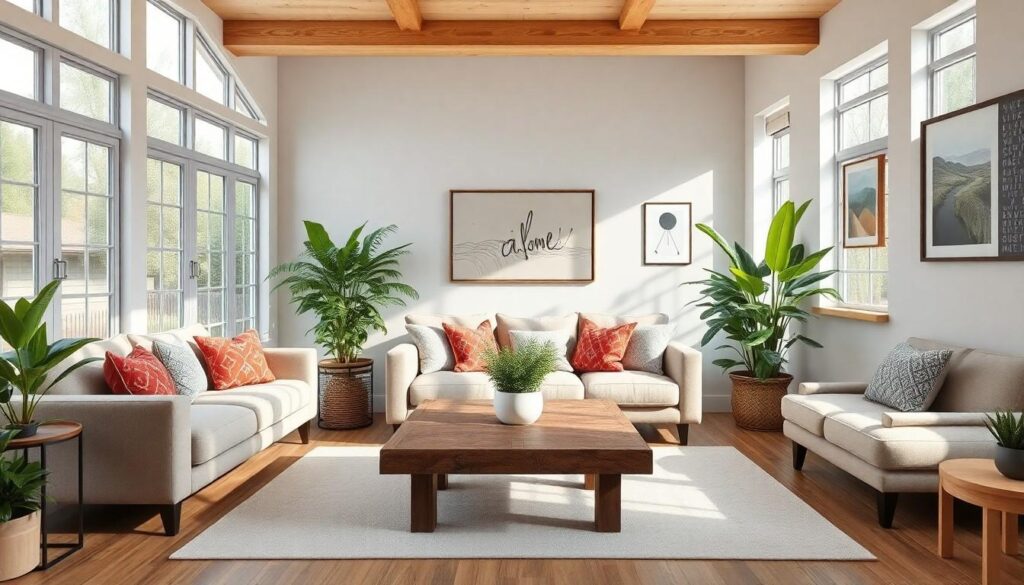
Home is where the heart is, but let’s be honest: it’s also where the style is—or at least it should be. Beautiful home interiors don’t just happen; they’re crafted with a dash of creativity and a sprinkle of personality. Imagine walking into a space that makes you feel like royalty, with every corner whispering “you belong here.”
Overview Of Beautiful Home Interiors
Beautiful home interiors showcase unique styles that cater to personal taste while ensuring comfort and functionality. Effective design balances aesthetics and utility, creating spaces that are not only visually appealing but also livable. Thoughtful layout choices enhance natural light flow, making rooms feel more inviting.
The use of colors plays a crucial role in establishing mood. Warm tones create a cozy atmosphere, while cool tones can evoke calmness. It’s important to select colors that resonate with individual preferences.
Furniture selection significantly impacts the overall look. Incorporating statement pieces can become focal points. Comfort is vital; choosing ergonomically designed items promotes relaxation and harmony.
Textures add depth and sophistication. Mixing materials such as wood, metal, and fabric enriches sensory experience. Layering textures through rugs, cushions, and throws invites warmth and style.
Incorporating greenery can transform interiors. Plants not only purify air but also introduce a refreshing touch of nature. Strategically placed greenery enhances both aesthetics and well-being.
Art influences the ambiance as well. Displaying artwork that resonates with inhabitants showcases personal stories. It’s important to consider spacing and lighting to enhance the artwork’s impact.
Beautiful home interiors combine thoughtful design, color selection, furniture, textures, greenery, and art. Each element contributes to an environment that reflects personal style while promoting comfort and functionality.
Key Elements Of Beautiful Home Interiors

Creating beautiful home interiors hinges on several key elements that work together to produce stylish and inviting spaces. Consideration of color, furniture, and lighting plays a crucial role in achieving that balance between aesthetics and comfort.
Color Schemes
Color schemes establish the overall mood of a room. Warm colors such as reds and yellows create an inviting atmosphere, while cool colors like blues and greens foster tranquility. Selecting a cohesive palette ensures unity throughout the home. Accent colors enhance visual interest and provide contrast against the primary shades. For instance, pairing neutral walls with bold accent furniture brings a vibrant energy to the space. Incorporating varying shades also adds depth, making rooms feel more dynamic and alive.
Furniture Selection
Furniture selection significantly influences the style and functionality of a home. Prioritizing ergonomic designs enhances comfort, promoting relaxation and use. Statement pieces attract attention and can serve as focal points in the room. Opting for multi-functional furniture maximizes space, particularly in smaller areas. Consider incorporating a mix of textures and materials, which creates visual interest and sophistication. For example, combining sleek leather with plush upholstery offers a balanced look that’s both stylish and comfortable.
Lighting Techniques
Lighting techniques contribute to the overall ambiance and aesthetic appeal of interiors. Layering light sources, including ambient, task, and accent lighting, creates a well-lit environment that enhances focus and comfort. Natural light should be maximized to connect indoor spaces with the outside world. Implementing adjustable fixtures allows for flexibility in brightness levels, accommodating different activities and moods. Statement light fixtures, like chandeliers or artistic lamps, serve as design features that enhance the overall style of the space.
Popular Styles For Beautiful Home Interiors
Beautiful home interiors come in various styles, each with its unique characteristics and charm. Popular styles like minimalist designs, rustic charm, and modern elegance appeal to different tastes and preferences.
Minimalist Designs
Minimalist designs emphasize simplicity and functionality. Furniture pieces feature clean lines and neutral color palettes. Accessories remain limited, allowing open spaces to dominate the design. Natural light plays a crucial role in enhancing minimalist interiors. Utilizing multifunctional furniture maximizes space without clutter. Incorporating a few carefully chosen decor elements adds interest while maintaining the overall simplicity. The goal is to create an uncluttered environment that promotes tranquility.
Rustic Charm
Rustic charm brings warmth and comfort to home interiors. Natural materials like wood, stone, and metals create a cozy atmosphere. Aged and distressed furniture pieces enhance the authenticity of the design. Earthy color tones like browns, greens, and warm reds complement the overall aesthetic. Textiles such as wool and linen add layers of comfort. Vintage decorations and handcrafted items inject personality into rustic spaces. This style often fosters a connection to nature, inviting the outdoors inside.
Modern Elegance
Modern elegance showcases sophistication through sleek, contemporary designs. Clean silhouettes and high-quality materials define this style. Neutral colors with bold accent hues create visual interest. Innovative lighting solutions enhance the ambiance and highlight architectural features. Thoughtfully placed artwork adds a personal touch, serving as focal points. Comfortable furnishings combine luxury with functionality. Spaces designed with modern elegance exude refinement while being inviting and livable.
Tips For Creating Beautiful Home Interiors
Choose a cohesive color palette to define the room’s mood. Warm tones like reds and yellows create an inviting atmosphere, while cool shades of blue and green promote relaxation. Incorporate accent colors to add visual interest through accessories, artwork, or textiles.
Select furniture that balances style and functionality. Ergonomically designed pieces enhance comfort, especially multifunctional items that help maximize space. Statement furniture can serve as focal points, visually transforming a room without overwhelming it.
Utilize layered lighting techniques for ambiance. Ambient, task, and accent lighting work together to create a well-lit environment. Consider unique light fixtures as additional design elements that contribute to the overall aesthetic.
Add varied textures for depth and sophistication. Combining materials such as wood, metal, and fabric enriches the sensory experience of the space. Use rugs, cushions, and throws to provide comfort while enhancing the visual appeal.
Incorporate greenery to bring the outdoors in. Plants purify the air and add life to surroundings, making spaces feel more vibrant. Choose a variety of indoor plants that suit the lighting conditions of each room.
Display art that reflects personal stories and influences the ambiance. Select pieces that resonate emotionally and enhance the overall theme of the interior. Art can serve as conversation starters and add character to any space.
Personalize the interior through unique decor choices. Items that hold sentimental value or showcase individual style contribute to a sense of belonging. Thoughtful details create environments that feel warm and inviting.
Creating beautiful home interiors is about more than just aesthetics. It’s an opportunity to express individuality and foster a sense of belonging. By thoughtfully combining color, furniture, lighting, and textures, one can craft spaces that not only look stunning but also feel inviting and comfortable.
Incorporating personal touches through art and greenery can elevate the ambiance and breathe life into any room. Ultimately, the goal is to design interiors that resonate with personal style while ensuring functionality. With the right approach, anyone can transform their living space into a beautiful haven that reflects who they are.


