

In a world where plastic bags seem to multiply like rabbits and landfills are starting to resemble mountains, sustainable living isn’t just a trend—it’s a necessity. Imagine a life where you sip your morning coffee guilt-free, knowing you’re saving the planet one biodegradable cup at a time. It’s not just about hugging trees; it’s about giving Mother Earth a high-five while you enjoy your avocado toast.
Sustainable living is all about making choices that benefit the environment without sacrificing comfort or style. From eco-friendly products to energy-efficient homes, it’s easier than ever to tread lightly on the planet. So why not join the movement? After all, who wouldn’t want to be the cool friend who knows how to recycle like a pro while sporting a chic, reusable shopping bag? Let’s dive into the simple yet impactful ways to make sustainable living a part of everyday life.
Understanding Sustainable Living
Sustainable living focuses on making choices that minimize environmental impact. It’s essential for preserving the planet and ensuring resources remain available for future generations.
Definition and Importance
Sustainable living involves adopting practices that reduce ecological footprints while promoting health and well-being. This lifestyle emphasizes the balance between meeting present needs without compromising the ability of future generations to satisfy their own. The importance of sustainable living lies in mitigating climate change, conserving natural resources, and reducing pollution. People who engage in sustainable practices contribute to a healthier environment and foster a sense of community. Every small action, such as cutting down on single-use plastics or conserving water, creates a ripple effect that leads to significant global change.
Principles of Sustainability
Several key principles guide sustainable living. First, conservation defines efforts to protect and manage natural resources responsibly. Second, efficiency addresses the need to use resources, such as energy and water, more effectively. Third, equity ensures fair distribution of resources, promoting social justice and access for all individuals. Fourth, resilience includes enhancing the ability of communities to withstand and adapt to environmental challenges. Lastly, innovation drives the development of new solutions that support environmental sustainability. Commitment to these principles enables individuals and communities to create a more sustainable future.
Benefits of Sustainable Living
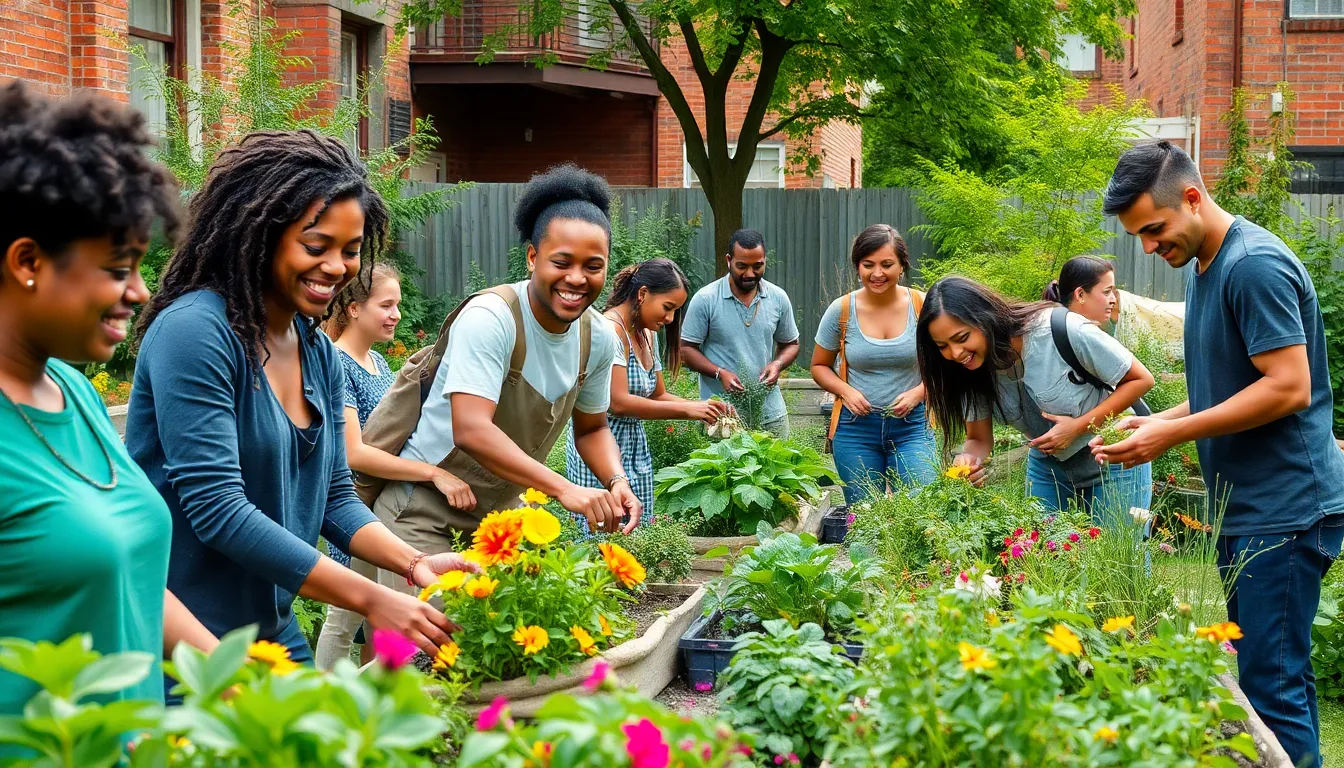
Sustainable living offers numerous advantages that impact the environment, economy, and society.
Environmental Benefits
Environmental advantages stem from reduced waste and lower carbon emissions. Adopting eco-friendly practices leads to cleaner air and water, as fewer pollutants enter ecosystems. Protecting biodiversity becomes easier when individuals reduce their reliance on non-renewable resources. Sustainable agriculture engages in practices that preserve soil health and reduce pesticide use, further safeguarding ecosystems. Choosing renewable energy sources, like solar or wind power, reduces dependence on fossil fuels. Maintaining local habitats also strengthens ecosystems, ensuring the survival of various species.
Economic Benefits
Economic gains arise from embracing sustainable living. Businesses that prioritize sustainability often see increased consumer loyalty, driving profits. Energy-efficient appliances lower utility bills, resulting in significant long-term savings. Investing in green technologies, like electric vehicles, presents opportunities for economic growth and job creation. Sustainable practices can decrease waste disposal costs for households and communities. These cost-effective measures ultimately enhance financial stability for both individuals and businesses.
Social Benefits
Social advantages contribute to a stronger community fabric. Engaging in sustainable practices fosters collaboration among individuals, creating connections and a sense of belonging. Communities that prioritize sustainability often enjoy improved public health due to cleaner environments. Education about sustainable practices encourages collective responsibility, uniting people for a common cause. Spending time outdoors in green spaces enhances mental well-being while promoting physical activity. Introducing sustainable initiatives, such as community gardens, strengthens local ties and empowers residents.
Practical Tips for Sustainable Living
Making small changes can create significant environmental benefits. Incorporating sustainable practices into everyday life enhances resource conservation and promotes a healthier planet.
Reducing Waste
Eliminating single-use plastics stands as a key method for reducing waste. Switching to reusable bags and containers significantly decreases plastic pollution. Composting organic waste generates nutrient-rich soil while diverting waste from landfills. Embracing minimalism also promotes mindful consumption, encouraging individuals to buy only essential items. Participating in community recycling programs fosters a collective effort towards waste reduction while keeping materials in circulation.
Energy Efficiency
Opting for energy-efficient appliances cuts electricity use and lowers utility bills. LED bulbs consume less energy than traditional incandescent bulbs while lasting longer. Implementing smart home technology manages energy consumption more effectively. Regular maintenance of heating and cooling systems ensures optimal performance and energy efficiency. Enhancing insulation in homes prevents energy loss, contributing to both comfort and sustainability.
Sustainable Transportation
Using public transportation lowers individual carbon emissions and reduces traffic congestion. Carpooling with others conserves fuel and minimizes pollution. Cycling or walking not only provides exercise but also decreases reliance on fossil fuels. Electric vehicles offer a cleaner alternative to conventional cars, especially when charged with renewable energy. Supporting local initiatives that promote public transit development enhances community sustainability.
Sustainable Living in Different Areas
Sustainable living encompasses various aspects of daily life. The following key areas illustrate how individuals can implement eco-friendly practices effectively.
Home and Living Spaces
Energy-efficient homes enhance comfort while reducing utility bills. Using LED lights and Energy Star appliances significantly cuts energy consumption. Incorporating sustainable materials like bamboo and reclaimed wood promotes environmental responsibility. Homeowners often benefit from better indoor air quality with non-toxic paints and finishes. Landscaping with native plants supports local ecosystems and requires less water.
Food and Nutrition
Eating locally sourced food reduces transportation emissions. Organic farming practices support biodiversity and minimize chemical usage. Meal planning and cooking at home lower food waste and encourage mindful consumption. Seasonal fruits and vegetables are often fresher and more nutritious. Composting kitchen scraps enriches soil and diverts waste from landfills.
Fashion and Consumer Choices
Sustainable fashion choices focus on quality over quantity. Thrift shopping and buying secondhand clothing extend the lifecycle of garments. Designers prioritizing eco-friendly materials inspire conscious consumerism. Supporting brands that practice ethical labor and environmental stewardship fosters responsible production. A capsule wardrobe can simplify choices while promoting minimalism.
Embracing sustainable living is a powerful way to contribute to a healthier planet and vibrant communities. By making conscious choices in daily life individuals not only reduce their environmental impact but also enhance their well-being and that of those around them. Each small effort adds up creating a ripple effect that fosters positive change.
The journey toward sustainability is both rewarding and essential. It encourages a lifestyle that values resources and promotes equity while ensuring future generations can thrive. With practical steps and a commitment to eco-friendly practices anyone can be part of this vital movement. Sustainable living isn’t just an option; it’s a responsibility that leads to a brighter future for all.


