
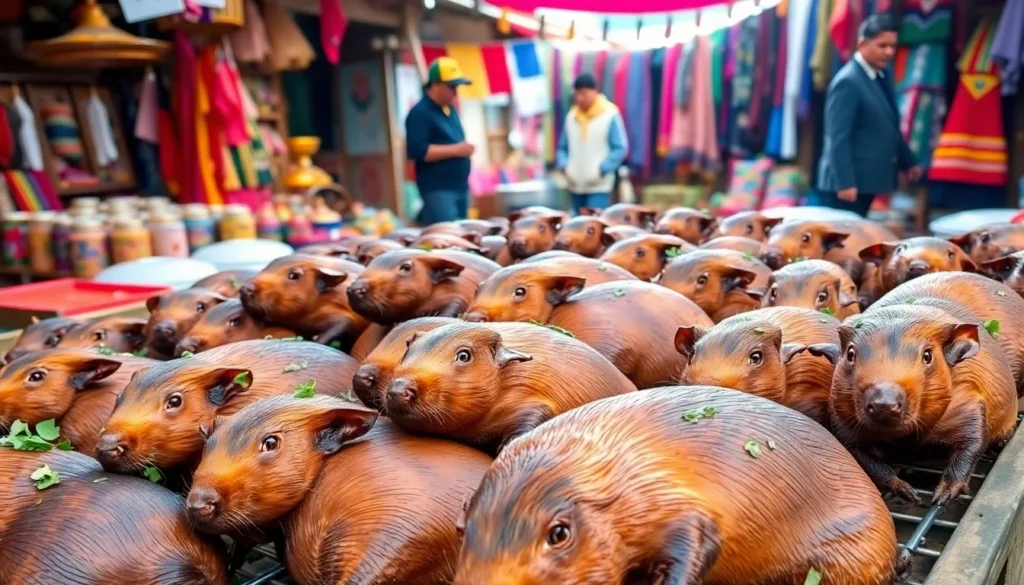
When it comes to culinary adventures, most folks think of exotic dishes like sushi or escargot. But what if someone told you that guinea pigs are not just adorable pets but also a popular delicacy? Yes, you read that right! In the high Andes of South America, particularly in Peru, these little furballs are served up as a traditional feast.
Overview of Guinea Pig Consumption
Guinea pig consumption is prevalent in several South American countries, particularly in Peru. In this region, the dish known as “cuy” holds cultural significance and is often served during special occasions and festivals. Families raise guinea pigs for food, enjoying their meat as a source of protein.
Peruvian cuisine embraces various methods of preparation. Roasting is a popular technique, often resulting in crispy skin and tender meat. Traditional recipes may include ingredients like potatoes and spices, enhancing the overall flavor profile.
Ecuador also features guinea pig on its culinary landscape, where it is known as “cuy” as well. The dish is celebrated in festivals where it symbolizes abundance and good fortune. People often savor guinea pig grilled over an open flame or prepared in a sauce, showcasing regional culinary techniques.
Bolivia recognizes guinea pig as a food source as well. In rural areas, it remains an integral part of the diet, offering nutritional benefits. The meat is frequently used in traditional dishes that highlight local ingredients.
High in protein, guinea pigs provide essential nutrients. Comparatively, the meat is lean and offers lower fat content than other meats. Cultural attitudes toward guinea pigs differ by region, contributing to the dish’s various names and preparation styles.
Consumption of guinea pigs fosters community gatherings. Families and friends share meals that often include guinea pig, reinforcing social bonds. This culinary tradition reflects a unique aspect of cultural identity in the Andes.
Historical Context
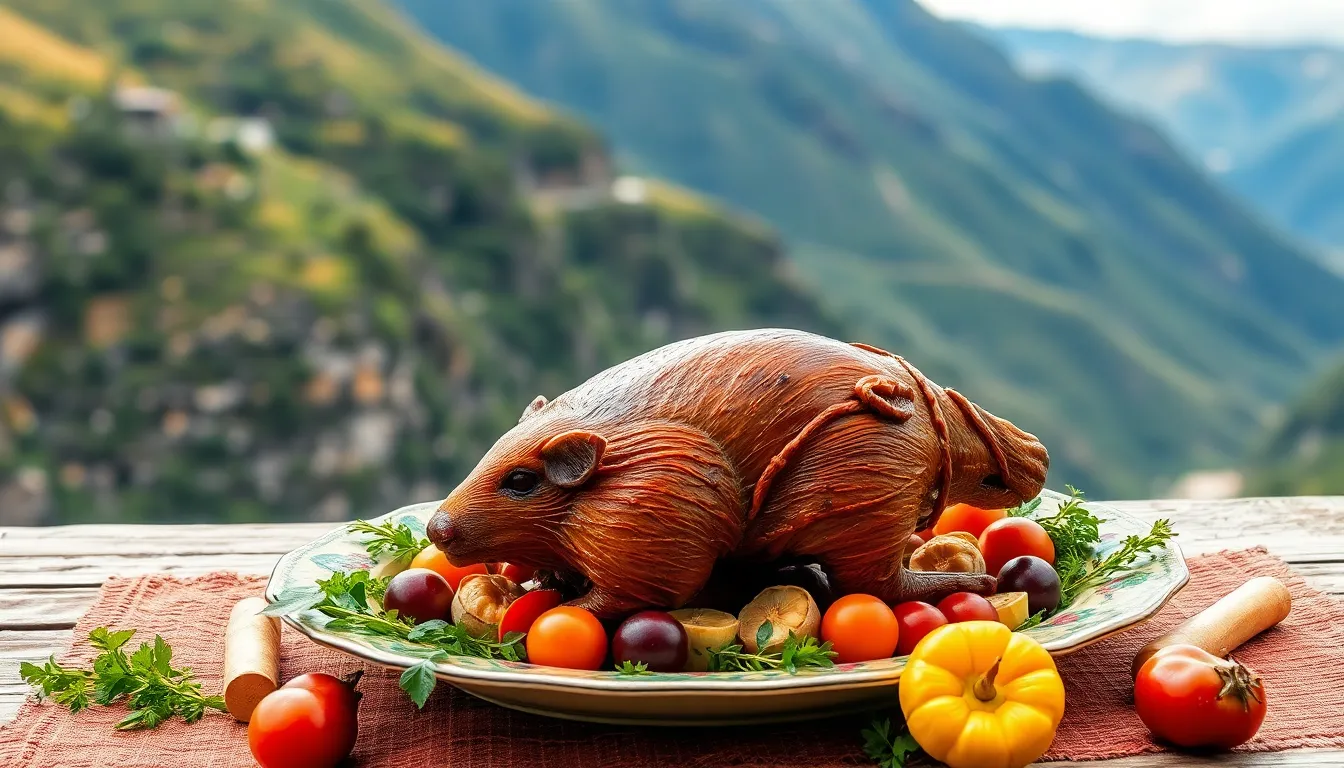
Guinea pig consumption in South America has deep historical roots. This culinary tradition traces back to ancient civilizations, where guinea pigs served as a valuable food source.
Ancient Practices
Cultures in the Andes revere guinea pigs, dating back to the Inca Empire. Tribes domesticated these animals for food, ritual sacrifices, and festivities. Archaeological evidence indicates the presence of guinea pig remains in pre-Columbian sites, showcasing their role in daily life. Various methods of preparation emerged, with roasting becoming a favored technique. Traditional dishes highlighted flavors and emphasized local ingredients, establishing guinea pigs as integral to sustenance.
Cultural Significance
In Peru, guinea pigs symbolize prosperity and good fortune. Families often serve guinea pig during significant celebrations, such as weddings and religious ceremonies. Ecuadorians celebrate their culinary identity through dishes featuring guinea pig, especially during festivals. Bolivia recognizes guinea pigs for their nutritional contributions, particularly in rural areas. Social gatherings often center around shared meals, emphasizing community bonds and cultural heritage. The practice strengthens social ties and reflects a unique aspect of identity within the Andean region.
Countries That Eat Guinea Pigs
Guinea pigs serve as a traditional delicacy in several South American countries. Three nations stand out for their cultural connections to this unique source of protein.
Peru
In Peru, guinea pigs, known as “cuy,” play a significant role in cultural celebrations. Families often raise these animals for food, which features prominently during feasts and special occasions. Roasted cuy boasts crispy skin and tender meat, typically served with potatoes and a variety of spices. Nutritional benefits make this dish popular, aligning with local diets and culinary traditions. Festivals often include cuy, symbolizing abundance and connection to heritage.
Ecuador
Ecuador forms another hub for guinea pig cuisine, where it holds festive importance. Grilling and stewing highlight the dish during celebrations, representing good luck and prosperity. Historically, Ecuadorians honor guinea pigs as symbols of wealth, showcasing them at feasts and communal gatherings. The flavor profiles vary, enhanced by local ingredients and spices, appealing to diverse palates. Nationwide, people enjoy this unique dish, reinforcing cultural identity.
Bolivia
In Bolivia, guinea pigs persist as staples in rural diets. Their nutritional value contributes essential protein and nutrients to families’ meals. Preparation styles may differ across regions, with local ingredients enhancing traditional recipes. Festivals often feature cuy, serving as a focal point for community gatherings and social connections. This enduring culinary practice reflects the agricultural heritage of Bolivia and showcases the significance of guinea pigs within local cultures.
Preparation and Cooking Methods
Guinea pig, or cuy, features prominently in the culinary traditions of South America. Various cooking methods highlight its flavor and texture.
Traditional Recipes
Classic recipes showcase roasted guinea pig as a cherished dish in Peru. It’s often marinated in a blend of spices such as garlic, cumin, and pepper before being placed in an open fire or traditional clay oven. Accompanying side dishes typically include potatoes and corn. In Ecuador, cuy is frequently prepared in a peanut sauce, enhancing its richness and flavor. Locals often serve it with rice or salad, creating a balanced meal. These traditional recipes honor the cultural heritage of the Andes, fostering community and family connections during gatherings.
Modern Variations
Contemporary interpretations of guinea pig dishes reflect culinary creativity. Chefs experiment with different cooking styles, including grilling and frying, adding modern twists to historical flavors. Some variations incorporate international spices or sauces, appealing to diverse palates. Fusion dishes might present guinea pig tacos or sliders, integrating elements from global cuisines. Urban areas in Peru and Ecuador often feature gourmet restaurants that elevate guinea pig to fine dining status, showcasing its versatility. As a result, the appreciation for this traditional delicacy continues to grow, bridging cultural traditions with modern culinary experiences.
Nutritional Value of Guinea Pig Meat
Guinea pig meat offers impressive nutritional benefits. High protein content contributes to muscle maintenance and repair. With about 20 grams of protein per 100 grams of meat, it serves as a significant protein source. Low fat content, approximately 5 grams per 100 grams, makes it a healthier meat choice when compared to beef or pork.
Vitamins and minerals play crucial roles in overall health. Guinea pig meat contains ample amounts of vitamin B12, essential for red blood cell formation and proper nervous system function. The meat also provides iron, supporting oxygen transport in the body. Additionally, zinc in guinea pig meat aids in immune function and wound healing.
Cultural perspectives shape how nutritional value is perceived. In Peru, communities recognize guinea pig as a symbol of prosperity, often served during celebrations to promote well-being. Nutritional advantages encourage families to raise guinea pigs, ensuring access to fresh meat and reinforcing agricultural practices.
Comparative analysis highlights guinea pig meat’s unique characteristics. Compared to chicken, it offers a richer flavor and a distinctive taste profile that appeals to many. Furthermore, their meat is more sustainable, given that guinea pigs consume less food and produce fewer greenhouse gases.
Preparation methods influence the nutritional outcome as well. Roasting retains most vitamins, while stewing may enhance flavor without significant nutrient loss. Such cooking techniques ensure families receive both flavor and nutrition in traditional dishes.
Peru, Ecuador, and Bolivia celebrate guinea pig meat through various regional dishes. These preparations often include local ingredients, enhancing the overall healthiness of meals. Communities continue to honor this traditional source of nutrition, reinforcing its place in the culinary landscape of the Andes.
Guinea pigs hold a unique place in the culinary traditions of Peru, Ecuador, and Bolivia. Their role extends beyond mere sustenance to symbolize cultural identity and community bonding. As these countries continue to celebrate their rich heritage through traditional dishes, guinea pig remains a cherished delicacy that reflects the values and history of the Andean people. The growing appreciation for this dish in modern cuisine showcases its versatility and nutritional benefits, ensuring that it remains a significant part of the region’s gastronomic landscape.


