Table of Contents
ToggleRunning a commercial property means dealing with constant maintenance demands, broken door handles, leaking faucets, drywall patches, flickering lights, and a hundred other small issues that can disrupt operations if left unattended. While homeowners might tackle repairs on weekends, business owners can’t afford downtime or half-finished projects. That’s where commercial handyman services come in. These professionals handle the day-to-day repairs and upkeep that keep offices, retail spaces, warehouses, and other commercial properties functional and presentable. Whether you’re managing a small storefront or overseeing multiple locations, understanding how commercial handyman services work, and when to use them, can save time, money, and headaches.
Key Takeaways
- Commercial handyman services provide cost-effective repair and maintenance solutions for business properties, eliminating the overhead of full-time in-house staff for businesses without daily maintenance demands.
- Most commercial handyman services handle routine interior and exterior repairs, minor plumbing and electrical work, and assembly tasks—but specialized contractors are needed for permitted work, structural changes, and major installations.
- Verify insurance, bonding, references, and response time capabilities when selecting a commercial handyman to ensure reliability and legal protection for your business property.
- Commercial handyman pricing typically ranges from $60-$125 per hour, with options for flat-rate, retainer, or project-based pricing depending on your business’s maintenance frequency and budget.
- Knowing the boundary between handyman scope and licensed contractor work protects your business from code violations—reputable providers will refer specialized work rather than overstepping their qualifications.
What Are Commercial Handyman Services?
Commercial handyman services provide skilled repair, maintenance, and minor installation work for business properties. Unlike general handyman services that focus primarily on residential needs, commercial handymen work in office buildings, retail stores, restaurants, medical facilities, warehouses, and multi-tenant properties.
The scope covers routine repairs that don’t require a licensed specialist, think patching drywall, replacing door hardware, installing shelving, fixing minor plumbing leaks, changing light fixtures, and basic carpentry. A handyman and maintenance services provider typically has broad skills across multiple trades but stops short of major work that requires permits or specialized licensing.
Most commercial handyman services companies operate differently than residential providers. They understand business hours matter, so many offer after-hours or weekend scheduling to avoid disrupting operations. They’re also accustomed to working in occupied spaces, following safety protocols, and coordinating with property managers or facility directors rather than individual homeowners.
The line between a handyman services company and a full trade contractor isn’t always sharp, but generally, if the job requires pulling permits, involves structural changes, or needs licensed electrician or plumber oversight, it’s beyond typical handyman scope. Commercial handymen excel at the recurring, smaller-scale tasks that pile up in active business environments.
Common Commercial Handyman Services for Business Owners
Business properties generate a predictable set of repair and maintenance needs. Here’s a practical list of handyman services offered by most commercial providers:
Interior repairs:
- Drywall patching and painting (high-traffic areas wear faster in commercial settings)
- Door hardware replacement, handles, closers, hinges, locks
- Interior trim and baseboard repair
- Ceiling tile replacement in drop ceilings
- Minor flooring repairs (loose tiles, threshold replacements)
- Shelving and storage installation
Exterior maintenance:
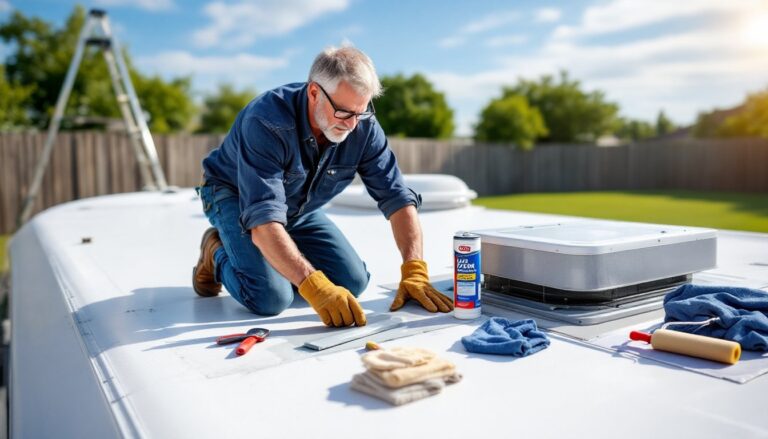
- Handyman roof repair near me searches often turn up commercial providers who handle minor flashing repairs, small leaks, or gutter cleaning, though full roof replacements require roofing contractors
- Exterior door adjustments and weatherstripping
- Pressure washing walkways, storefronts, or loading areas
- Fence and gate repairs
- Exterior paint touch-ups
Electrical and plumbing (non-licensed scope):
- Light fixture replacement and bulb changes (including high ceilings or outdoor lighting)
- Outlet and switch plate replacement
- Faucet repairs or replacements
- Toilet repairs (flapper, fill valve, wax ring)
- Minor drain clearing
Assembly and installation:
- Office furniture and cubicle assembly
- Mounting TVs, whiteboards, and signage
- Installing window blinds or shades
- Assembling retail fixtures
This general handyman services list varies by provider, but most commercial handymen handle these tasks routinely. Some specialists, like a handyman carpenter services near me provider, may focus more heavily on trim work, custom shelving, or cabinet repairs. Always confirm a provider’s specific capabilities, some have electricians or plumbers on staff for work that edges into licensed territory, while others stick strictly to the general handyman services near me model.
Benefits of Hiring Commercial Handyman Services vs. In-House Maintenance
For smaller businesses or single-location operations, hiring a commercial handyman services provider often beats maintaining in-house staff. Here’s why:
Cost efficiency: Hiring a full-time maintenance technician means salary, benefits, workers’ comp insurance, and tool expenses. For businesses without daily maintenance needs, that’s overhead sitting idle between repairs. Contracting with local handyman services near me providers means paying only for actual work performed.
Skill breadth: One handyman can’t know every trade at a licensed level, but commercial handymen typically bring enough cross-trade experience to handle 80% of routine issues. An in-house person might excel at electrical work but struggle with carpentry, or vice versa. A good handyman services company sends the right person for the task or has a team with varied skills.
Scheduling flexibility: When you need help immediately, a broken door lock before opening, a leak in the restroom, commercial handyman services near me providers often have faster response times than scheduling a specialized contractor. They’re built for quick-turnaround work.
No tool or parts inventory: Handymen arrive with their own tools and often stock common parts (hinges, faucet cartridges, outlet covers). You’re not tying up cash in a maintenance shop or storage room.
When in-house makes sense: Multi-location portfolios, large facilities (hospitals, universities, manufacturing plants), or properties with daily maintenance demands often justify full-time staff. The break-even point varies, but generally, if you’re generating more than 20-30 hours of maintenance work weekly, an in-house technician becomes cost-effective. For everyone else, the best handyman services near me model, paying per visit or on retainer, keeps costs predictable and labor flexible.
How to Choose the Right Commercial Handyman for Your Business
Not all handyman services to offer are equal. Here’s how to vet providers:
Verify insurance and bonding: Commercial work demands general liability insurance (minimum $1 million is standard) and workers’ compensation coverage. If a handyman gets injured on your property or damages equipment, you don’t want to be liable. Ask for certificates of insurance and verify they’re current.
Check references and reviews: Ask for references from similar commercial clients, if you run a retail store, talk to other retailers they’ve served. Online reviews help, but direct references reveal reliability, communication, and quality. Platforms like HomeAdvisor and similar services often feature contractor reviews and background checks that can streamline your search.
Assess response time and availability: For businesses, a handyman who can’t show up for three days isn’t much help when a broken door is compromising security. Ask about typical response times, after-hours availability, and whether they handle emergency calls.
Confirm the handyman services list: Don’t assume every handyman does everything. Ask for a detailed list handyman services they handle. If you need specific skills, like minor HVAC filter changes, signage installation, or parking lot maintenance, confirm upfront.
Pricing transparency: Request a clear pricing model (see next section). Avoid providers who won’t give ballpark estimates or discuss their rate structure.
Licensing where required: Some jurisdictions cap unlicensed handyman work at a certain dollar amount (often $500 to $1,000 per job) or restrict specific tasks. A reputable provider knows local rules and will refer you to a licensed contractor when needed.
Cost Factors and Pricing Models for Commercial Handyman Work
Commercial handyman pricing varies by region, scope, and provider, but understanding the models helps you budget accurately.
Hourly rates: Most commercial handymen charge $60 to $125 per hour, with variation by market and skill level. Urban areas and high-cost-of-living regions skew higher. Minimum charges (typically 1-2 hours) are common, even for quick jobs.
Flat-rate pricing: Some providers quote fixed prices for common tasks, replacing a door, patching drywall, installing shelving. This works well for predictable jobs but can cost more if complications arise.
Retainer or service agreements: Businesses with ongoing needs often negotiate monthly retainers for a set number of hours or priority service. This locks in availability and sometimes reduces hourly rates.
Project-based pricing: Larger jobs (repainting an office suite, assembling multiple workstations) may get quoted as a lump sum based on materials, labor, and timeline.
What affects cost:
- After-hours or emergency work often adds 25-50% to standard rates.
- Materials markup: Some handymen charge retail or add a percentage (10-20%) on parts. Others bill materials at cost and make money on labor alone. Clarify this upfront.
- Complexity and access: Repairing a ceiling tile in a 20-foot-high lobby costs more than one in a standard office due to equipment rental (scissor lifts, scaffolding).
- Travel time or trip charges: Providers may add fees for distance or multiple small visits.
For cost context and comparisons, resources like ImproveNet offer detailed project cost guides that can help you benchmark quotes against regional averages. Always get written estimates for jobs over $200 to avoid surprises.
When to Call a Specialized Contractor vs. a Commercial Handyman
Knowing when to stick with a handyman versus calling a licensed electrician, plumber, or other specialist saves money and keeps you code-compliant.
Call a licensed electrician for:
- Panel upgrades or circuit breaker replacement
- New wiring or circuit installation
- Anything involving load calculations or NEC compliance
- Electrical work requiring a permit
Handymen can typically handle:
- Swapping light fixtures (as long as the box and wiring are already in place)
- Replacing outlets or switches
- Installing plug-in under-cabinet lighting
Call a licensed plumber for:
- Sewer line work or main water line repairs
- Gas line installation or repair
- Water heater replacement
- Backflow preventer installation (often required by code)
Handymen can typically handle:
- Faucet or toilet replacement
- Minor drain clearing (sink or toilet)
- Replacing shutoff valves or supply lines
Structural or permitted work needs a contractor:
- Removing or altering load-bearing walls
- Foundation repairs
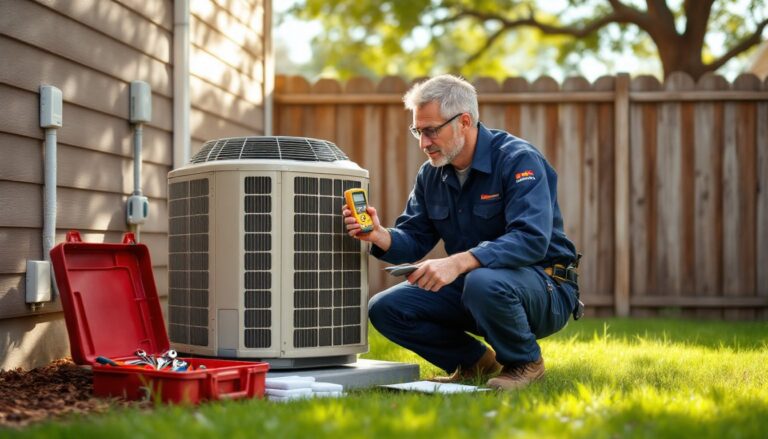
- HVAC installation or refrigerant work
- Roof replacement or major repairs
Most commercial handyman services near me providers know their limits and will refer specialized work. If they don’t, if they’re willing to tackle anything without mentioning permits or licensing, that’s a red flag. Reputable handymen protect you by staying within their legal and skill scope.
For larger commercial projects or when seeking vetted professionals, platforms that connect you with local handyman services can help you compare options and read verified reviews before committing.
Conclusion
Commercial handyman services fill a crucial gap for business owners who need reliable, skilled repair and maintenance without the overhead of full-time staff or the expense of specialized contractors for every small job. By understanding what these providers offer, how to choose the right one, and when to escalate to a licensed pro, businesses can keep their properties functional, safe, and presentable, without breaking the budget or losing operational time to prolonged repairs.