Table of Contents
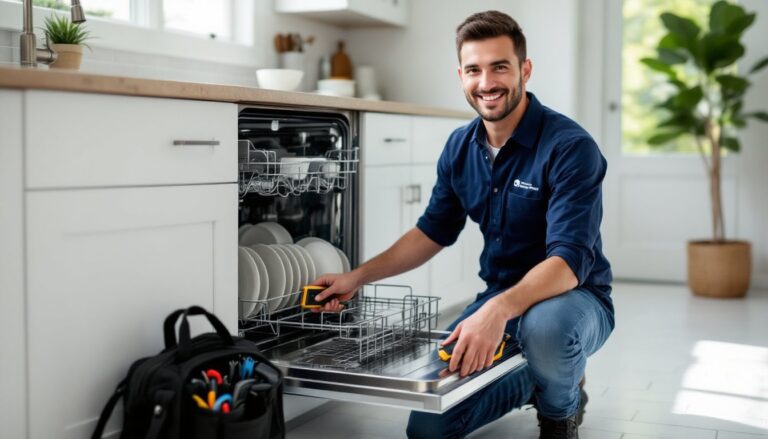
ToggleHouston homeowners rely on dishwashers to handle the daily grind of plates, pots, and glassware, especially in busy households. When a dishwasher stops draining, won’t start, or leaves dishes grimy, it disrupts routines and creates a sink full of problems. Before calling for help or attempting a fix, it helps to understand what’s likely gone wrong, what can be tackled at home, and when professional repair makes the most sense. Houston’s hard water, humid climate, and diverse housing stock, from older Montrose bungalows to new builds in Katy, add specific considerations to appliance care. This guide walks through the most common dishwasher issues, repair costs, contractor selection, and maintenance strategies to keep things running smoothly.
Key Takeaways
- Dishwasher repair in Houston typically costs $75–$125 for diagnosis plus $80–$150/hour in labor, with drain pump and control board replacements being the most common issues.
- DIY-friendly repairs like unclogging drain hoses, replacing door gaskets, and cleaning filters can save money, but electrical and pump issues require professional technicians to avoid voiding warranties.
- Houston’s hard water (5–10 grains per gallon) causes mineral buildup that clogs spray arms and reduces cleaning performance—use rinse aid, run quarterly vinegar cycles, or consider a whole-house water softener.
- Choose a licensed dishwasher repair company with manufacturer certifications, at least 4.5-star reviews, and transparent pricing; get estimates from three providers to avoid hidden fees.
- Monthly maintenance—cleaning filters, wiping door gaskets, and inspecting spray arms—combined with annual hose inspections and humidity management prevents costly repairs in Houston’s humid climate.
- If dishwasher repairs exceed 50% of a new unit’s cost, replacement with an Energy Star model is usually a smarter investment than continuing repairs on aging appliances.
Common Dishwasher Problems Houston Homeowners Face
Drainage Issues
Clogged drain hoses and air gap blockages top the list. Food particles, grease buildup, and mineral deposits from Houston’s hard water can obstruct the drain line or the garbage disposal knockout plug if a new disposal was recently installed. Check the drain hose under the sink for kinks or clogs first, disconnect it and flush with water. If the disposal connection is blocked, remove the knockout plug with a screwdriver and hammer.
Won’t Start or No Power
A dishwasher that won’t turn on often has a tripped breaker, a faulty door latch, or a blown thermal fuse. Inspect the breaker panel and test the door latch mechanism, most models won’t start unless the door is fully closed and latched. The thermal fuse, located behind the control panel, can blow due to overheating or electrical surges. Replacing it requires removing the door panel and testing continuity with a multimeter.
Poor Cleaning Performance
If dishes come out dirty or filmy, the issue is usually a clogged spray arm, worn-out wash pump, or hard water buildup. Remove the spray arms (they twist or snap off) and rinse under running water to clear food debris from the nozzles. Houston’s water hardness can leave mineral deposits on heating elements and interior surfaces, reducing spray pressure and cleaning effectiveness. Run a cycle with a dishwasher cleaner or white vinegar to dissolve scale.
Leaks Around the Door or Base
A worn door gasket or cracked tub seal will leak water onto the floor. Inspect the rubber gasket around the door for tears, warping, or food buildup. Wipe it clean and check for proper sealing. Leaks from the base often indicate a failed pump seal or loose hose clamp, which require disassembly and part replacement.
When to DIY vs. When to Call a Professional Repair Service
DIY-Friendly Repairs
Homeowners comfortable with basic tools can handle:
• Unclogging drain hoses and spray arms: Requires screwdrivers, pliers, and a bucket.
• Replacing door gaskets: Most gaskets snap or press into a channel without adhesive.
• Cleaning filters and screens: Located at the tub bottom, these twist out for rinsing.
• Resetting breakers or testing door latches: No disassembly needed.
These fixes need minimal time, cost under $50 in parts, and don’t involve electrical or plumbing work beyond disconnecting a hose.
When to Call a Pro
Bring in a licensed appliance repair technician for:
• Electrical component failures: Control boards, wiring harnesses, and thermal fuses require multimeter testing and safe handling of live circuits.
• Pump or motor replacement: Accessing the pump usually means pulling the unit out, disconnecting water and power, and working in tight spaces.
• Recurring leaks or complex diagnostics: If simple fixes don’t resolve the issue, a pro can trace the root cause without trial-and-error part swaps.
• Warranty work: Many manufacturers void coverage if unlicensed repairs are attempted.
In Houston’s service market, professional diagnosis typically costs $75–$125 and gets credited toward repair if the homeowner proceeds. Attempting a repair without the right experience can turn a $150 fix into a $500 problem.
How to Choose the Right Dishwasher Repair Company in Houston
Verify Licensing and Insurance
Texas doesn’t require state-level appliance repair licensing, but reputable companies carry general liability insurance and often have manufacturer certifications (Bosch, GE, Whirlpool, etc.). Ask for proof of insurance before letting anyone touch the unit.
Check Reviews and Response Times
Houston homeowners should consult platforms like Angi for verified reviews and response times. Look for companies with at least 4.5 stars, recent feedback, and transparent pricing. Avoid services with generic websites or no local presence, fly-by-night operators sometimes quote low, then add hidden fees.
Compare Quotes and Service Fees
Get estimates from at least three companies. Most charge a trip fee ($50–$100) plus an hourly rate ($80–$150). Some roll the trip fee into the repair cost if the work is approved. Ask:
• Is diagnosis included in the trip fee?
• What’s the labor rate for common repairs (pump, control board)?
• Do you stock parts or special-order them?
• Is there a warranty on parts and labor?
Reputable firms offer 90-day to 1-year warranties on parts and workmanship.
Local vs. National Chains
Local independents often provide faster scheduling and more flexible pricing. National chains like Sears Home Services offer brand-backed warranties but may have higher overhead costs. For older models or out-of-warranty units, a local tech with cross-brand experience is usually the better value.
What to Expect: Dishwasher Repair Costs in the Houston Area
Average Repair Costs by Issue
Houston’s competitive service market keeps prices moderate compared to coastal metros:
• Drain pump replacement: $150–$250 (parts + labor)
• Control board or touchpad: $200–$400
• Door latch or gasket: $75–$150
• Heating element: $100–$200
• Spray arm or filter: $50–$100
These figures assume the technician already carries the part or sources it within a day. Special-order parts for discontinued models can add $50–$100 and extend timelines by a week.
Labor and Trip Fees
Expect a $75–$125 service call fee covering diagnosis. Labor runs $80–$150/hour, with most repairs completed in 1–2 hours. Simple fixes like unclogging a hose or replacing a gasket might be billed at a flat rate ($100–$150 total).
Repair vs. Replace Threshold
If the repair exceeds 50% of a new dishwasher’s cost, replacement often makes more financial sense. A mid-range unit costs $400–$700 in Houston (without installation). If a seven-year-old dishwasher needs a $350 control board, investing in a new Energy Star model with a warranty is usually smarter. Local platforms like HomeAdvisor can help homeowners compare install costs alongside repair quotes.
Preventive Maintenance Tips to Avoid Future Repairs
Monthly Tasks
• Clean the filter: Located at the tub bottom, the filter traps food debris. Remove, rinse, and scrub with a soft brush monthly.
• Wipe door gaskets: Food and grease buildup prevent proper sealing and cause leaks. Use a damp cloth and mild detergent.
• Inspect spray arms: Pull them off and check nozzles for clogs. Run under water to clear any buildup.
Quarterly Deep Cleaning
Run an empty cycle with 2 cups of white vinegar on the top rack or a commercial dishwasher cleaner like Affresh. This dissolves mineral deposits, soap scum, and grease that accumulate on walls, heating elements, and pump screens.
Use the Right Detergent and Rinse Aid
Houston’s hard water demands detergents with built-in water softeners or the addition of rinse aid to prevent spotting and scale buildup. Powder and gel detergents can leave residue in hard water: pods or tablets with rinse aid formulations work better.
Load Correctly
Overloading blocks spray arms and prevents proper water circulation. Scrape (don’t rinse) dishes before loading, modern detergents need some food particles to activate enzymes. Ensure large items don’t obstruct the detergent dispenser or spray path.
Check Hoses and Connections Annually
Inspect the drain hose and water supply line for cracks, kinks, or corrosion. Replace rubber hoses every 5 years or if they show wear. Tighten hose clamps and check for leaks around connections under the sink.
Houston-Specific Considerations for Dishwasher Longevity
Hard Water and Mineral Buildup
Houston’s municipal water has a hardness range of 5–10 grains per gallon (moderately hard), varying by neighborhood. Over time, calcium and magnesium deposits clog spray nozzles, coat heating elements, and reduce pump efficiency. Installing a whole-house water softener or using dishwasher salt (for European models) extends appliance life and improves cleaning performance.
Humidity and Mold Concerns
Houston’s humid subtropical climate encourages mold and mildew growth inside dishwashers, especially around door gaskets and filter housings. After each cycle, leave the door ajar for 15–20 minutes to allow moisture to evaporate. Wipe down gaskets weekly and run a vinegar cycle monthly to control odors and microbial growth.
Power Surges and Storm Preparedness
Summer thunderstorms and hurricane season bring power surges that can fry control boards and touchpads. Install a whole-house surge protector or plug the dishwasher into a surge-protected outlet if code allows. During extended outages, turn off the breaker to the dishwasher to prevent damage when power is restored.
Older Homes and Plumbing Compatibility
Many inner-loop neighborhoods, Montrose, Heights, Museum District, have homes built before 1970 with galvanized steel plumbing. As these pipes corrode, sediment enters the dishwasher’s fill valve and pump, accelerating wear. If repiping isn’t in the budget, install an inline water filter on the dishwasher supply line to trap sediment. Resources like ImproveNet provide cost guides for plumbing upgrades and appliance retrofits in older homes.
Conclusion
Dishwasher repairs in Houston range from quick DIY wins to jobs best left to licensed techs. Understanding common failure points, drain clogs, worn gaskets, control board issues, helps homeowners make informed decisions about repair versus replacement. Choosing a reputable service provider with transparent pricing and solid warranties ensures quality work without surprise bills. Regular maintenance, mindful loading, and attention to Houston’s hard water and humidity keep dishwashers running efficiently for years.